
The search is usually a symptom. You have a production gap, a date that will not move, and a visual bar you cannot drop. The real question is narrower than most studio blogs make it. Do you need assets delivered into a pipeline you already run, or a team that shares ownership of the path those assets take into the build?
Game art outsourcing and co-development are not two prices for the same work. They are two operating models. Pick the wrong one and you still get files. You also get late integration, silent quality loss, and a vendor you cannot steer because you never hired them to sit inside the problem.
The two models, without the brochure language
Game art outsourcing is capacity. You keep direction, tools, reviews, and the engine. An external art team produces to your visual target and hands back review-ready source: characters, environments, props, promotional art, illustration, level art, and cleanup. The job is done when the asset is approved and named the way your pipeline expects.
Co-development is shared delivery. Artists, technical artists, animators, and producers work inside your tools, your standups, and your milestone logic. The job is not a pack of files. The job is work that survives lighting, LODs, streaming, animation, and the next content drop.
NUARE runs both. Art outsourcing covers 2D and 3D production, characters, environments, props, promotional art, illustration, level art, and asset cleanup. Co-development puts that same production next to engineering, technical art, animation, VFX, and the people who keep it moving. We have shipped on both models since 2006, on work that had to hold up next to internal teams, not next to a moodboard.
That distinction matters more than style frames. A beautiful hero that dies in engine is not a style problem. It is a model problem. You bought a delivery of images when you needed a partner inside the build.
Side by side
What you are buying
Approved assets and source
A team that owns a slice of production
Who holds the pipeline
You
Shared. We work in your tools
Best when
Scope is named, art direction is stable, and your team can integrate
Scope will move, engine work is part of the gap, and you need one accountable stream
Direction
Your art director reviews against a locked target
Direction stays yours. Execution and technical follow-through sit with the embedded team
Typical buy
A dedicated team or defined set of assets
An embedded team across art, technical art, animation, and production
Weak fit
Fuzzy scope, no internal integrator, or make-it-work-in-engine requirements left unsaid
A closed promotional pack with no production path behind it
Failure mode
Assets look right and ship wrong
You hired a partner and then treated them like a ticket queue
If the row you care about is who makes it run, you are not shopping for outsourcing. You are shopping for co-development and calling it something cheaper.
When game art outsourcing is the right call
Outsourcing is the correct buy when the hard decisions are already made. You know the biome, the hero, the weapon set, or the promotional brief. Your art director can say yes or no in a review. Someone inside your studio will drop the work into the engine, fix the last 10%, and live with it after we leave.
Use it for:
- A named set of characters, creatures, environments, or props against a locked visual target
- Promotional and key art that has to match a franchise already in market
- Level art and cleanup where layout intent is already designed
- Overflow during a spike, without changing who owns the build
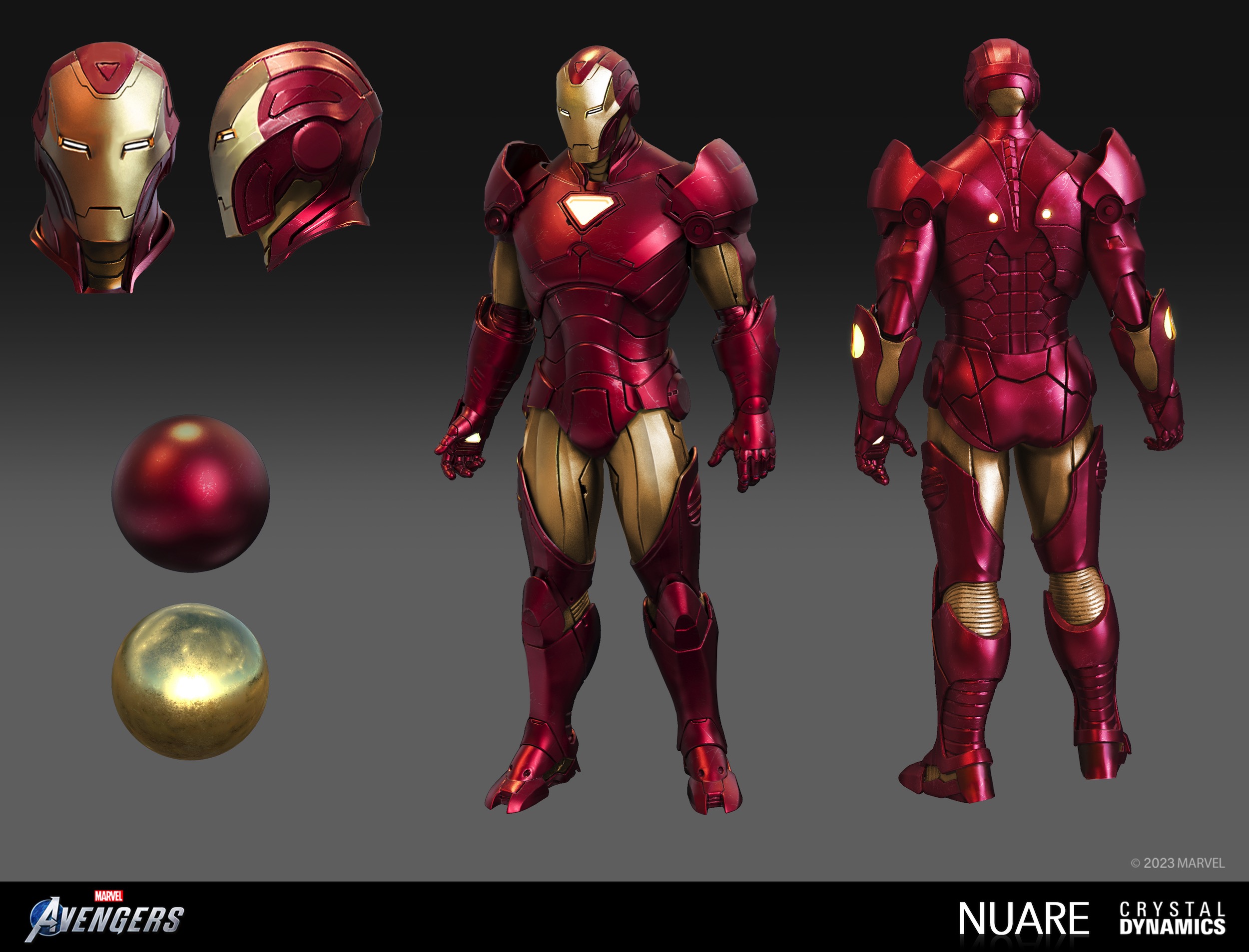
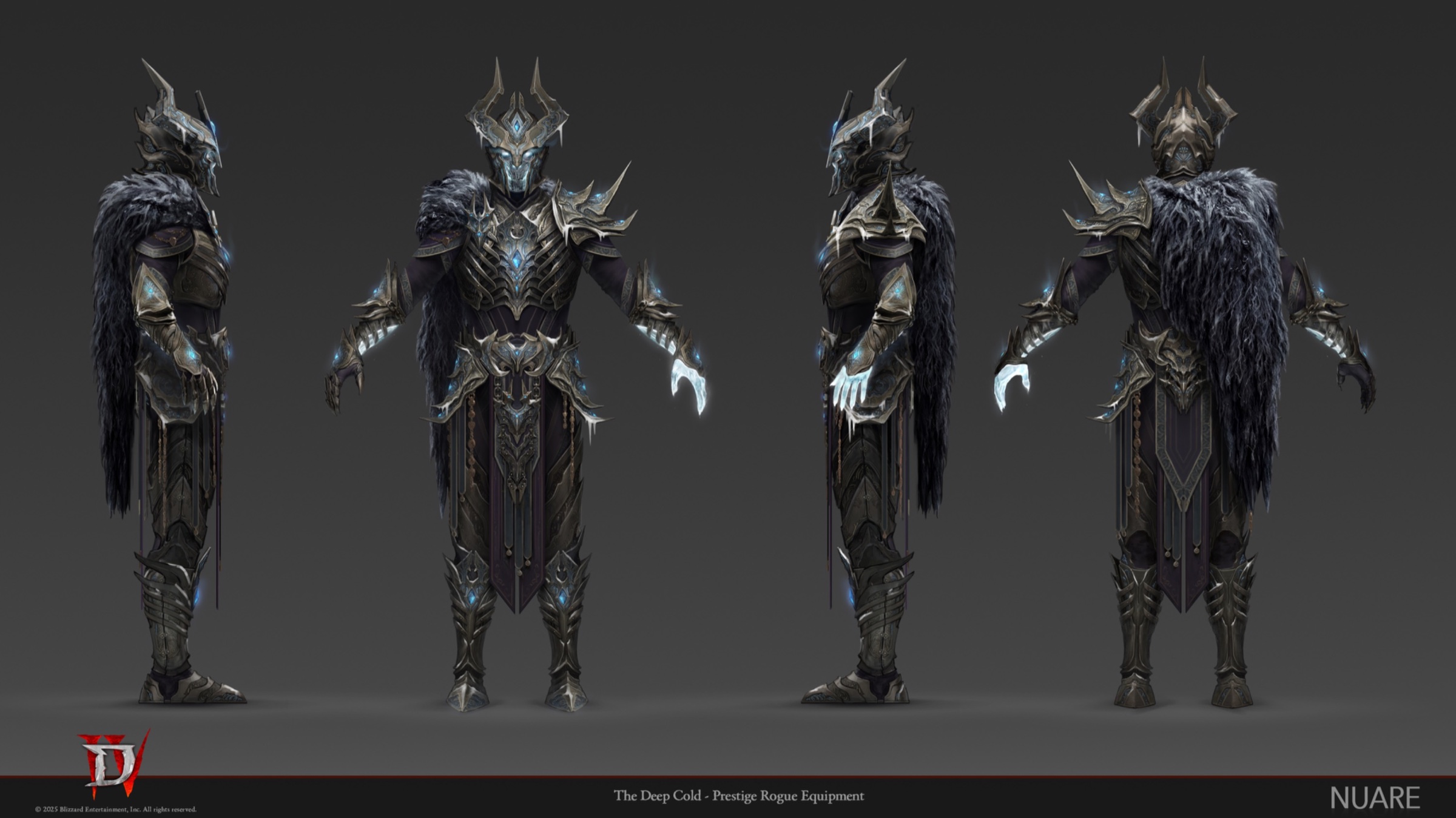
This is how a lot of AAA work actually gets done. Internal teams keep the spine. External teams add volume without lowering the bar. On Diablo 4, Halo Infinite, Fortnite, The Last of Us Part II, and Marvel's Deadpool VR, the useful question was never whether we could draw it. It was whether we could hit the target, in the pipeline, at the required volume, without creating a second art style the art director then had to police.
Outsourcing fails when the brief is a wish. “We need a dungeon” is not a brief. “We need 14 modular kits, these texel densities, this trim sheet, collision that matches the existing dungeon language, and source in this folder structure” is a brief. If you cannot write the second sentence, do not buy the first model.
When co-development is the right call
Co-development is the correct buy when the asset is not the product. The product is a space that plays, a character that animates, a live-service surface that will be touched again in three months, or a VR traversal loop that has to feel right in the headset, not in Marmoset.
Use it for:
- Features and content streams that will change after first review
- Work that needs technical art, animation, VFX, or engine implementation in the same breath as the art
- A production gap you cannot staff internally in time, without splitting ownership across five vendors
- Live products where the next drop has to match the last one, including naming, LODs, materials, and streaming
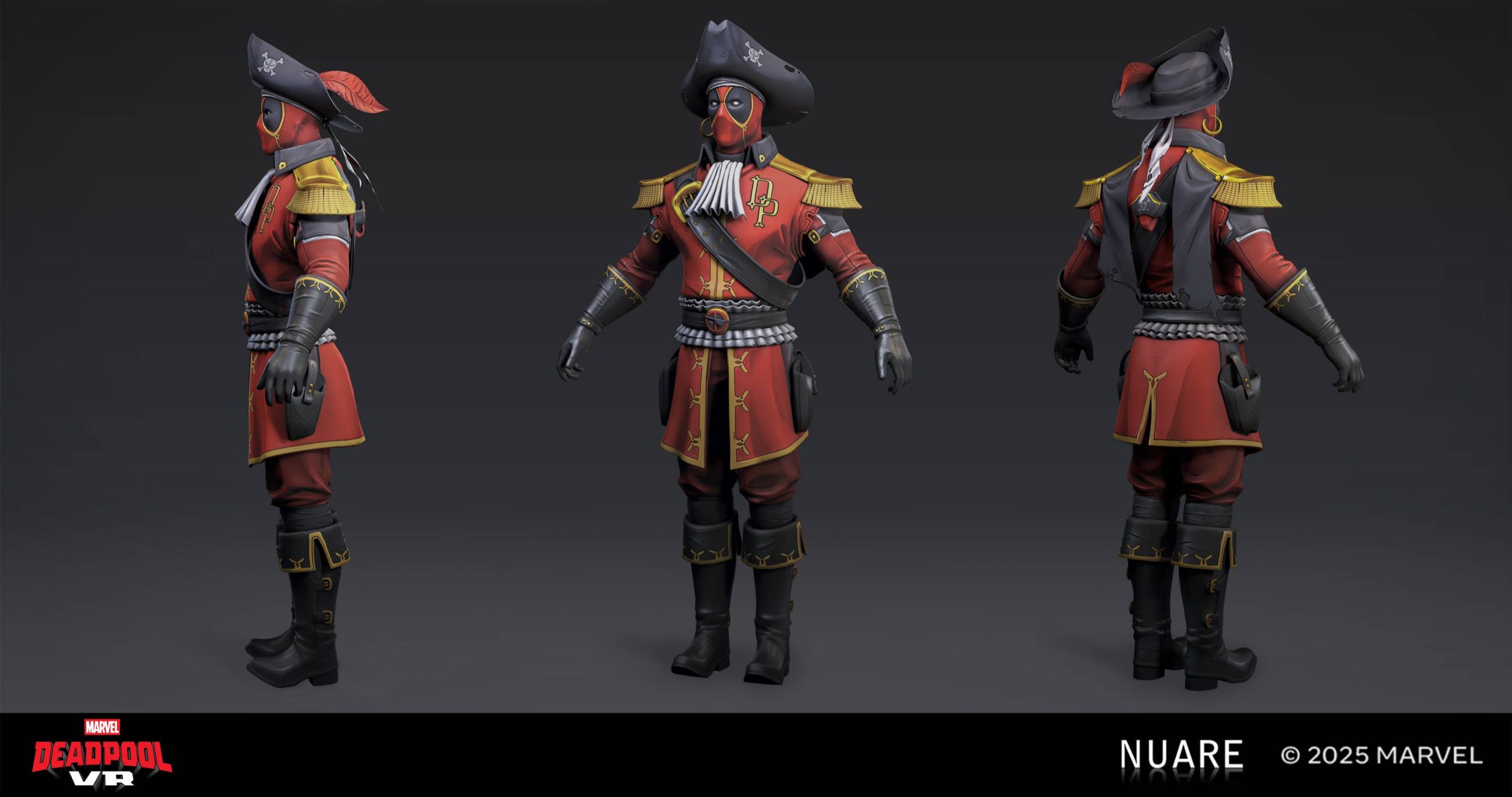
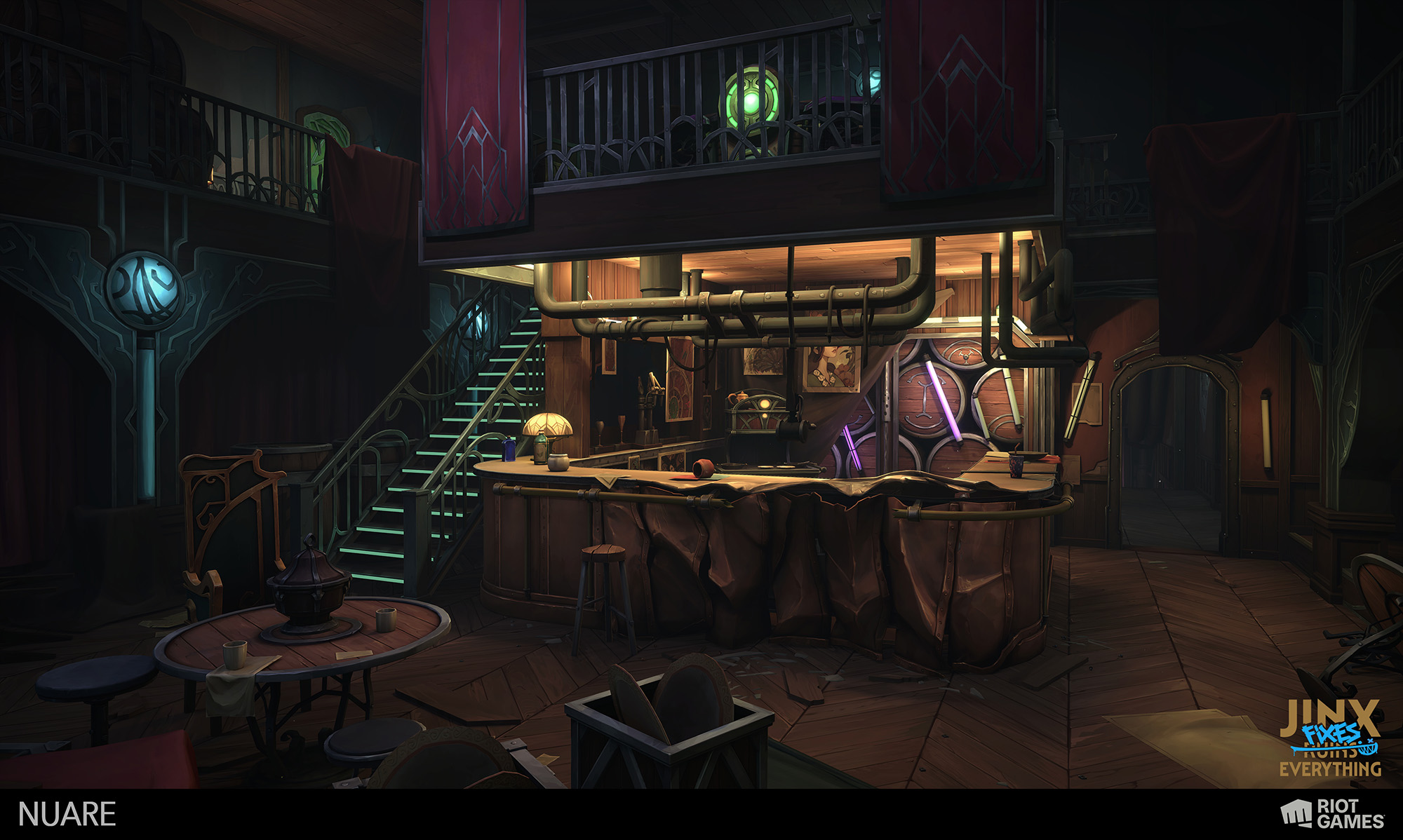
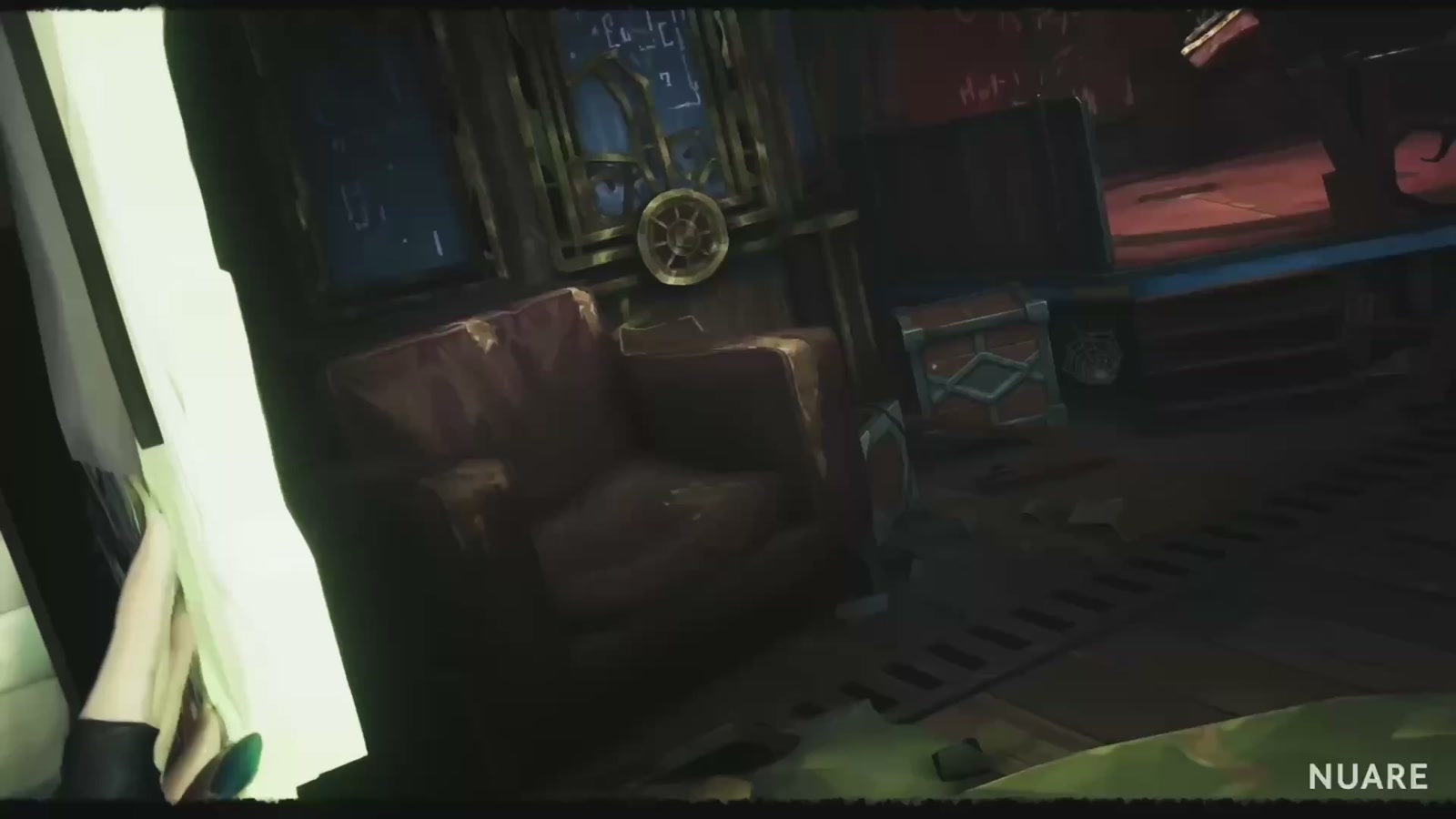
Marvel's Deadpool VR is an obvious example of why the model matters. Combat, traversal, and readability in VR are not a handoff. Tomb Raider: Catalyst and Tomb Raider: Legacy of Atlantis are the same class of problem in a different wrapper. Worlds, encounters, and character work have to hold together in Unreal, not in a zip file of hero shots. League of Legends work such as Jinx Fixes Everything and Demon's Hand sits closer to product than to a one-off illustration job. The partner has to speak the existing visual language and production habits, or the work will look close and still be wrong.
Co-development also fails, just in a different way. It fails when the client wants a partner in the kickoff and a vendor in the weekly meeting. If we cannot see the build, talk to the people who own lighting and animation, or put notes into the same tracker you use, you did not hire co-development. You hired outsourcing with extra meetings.
The hybrid path is how a lot of real productions start
You do not have to pick once and live with it.
Plenty of AAA relationships start as art outsourcing because the first need is concrete: a character set, a biome, or a promotional campaign. The scope is named, the art director is in the chair, and nobody wants a 12-week operating-model debate in front of a milestone. That is a clean start.
Then the work expands. The next ask is not more props. It is “stay in the tools,” “take the next encounter,” or “own this stream through implementation.” That is outsourcing becoming co-development, and it is a normal path when the first slice proved the team.
The other path is cleaner when you already know the gap is bigger than files. You start in co-development and stay there. One team, one tracker, one bar. No second contract to relitigate ownership after the first delivery lands.
What you should not do is run a hybrid by accident. You buy assets, nobody owns integration, the work comes back looking approved, then it dies in engine. Then you ask the art vendor why the level does not play. They never had the level. You never bought the level. You bought meshes.
How you should buy the work
For AAA, the commercial model is part of the production model. Get this wrong and the art model cannot save you.
Dedicated team. A named group running against your milestone calendar. This is the best default for production. You are paying for continuity, not for a sequence of one-off heroes. The people who learned your trim sheets in week two are still there in week twenty.
Embedded team. The co-development version of the same idea. Those people sit in your tools, reviews, and standups. Use it when implementation is part of the gap.
A defined set of assets. A closed pack with a locked target, count, and delivery specification. It is useful when the work is real and bounded: a dungeon kit, a creature family, or a promotional set. It is still a production buy, not a shopping cart.
Per-asset pricing. Skip it. It looks tidy in a spreadsheet and trains everyone to optimize the wrong thing. Your producers start splitting work into the smallest billable unit. The studio starts protecting margin on each unit. Nobody is rewarded for solving the sequence, the kit, or the handoff. It can limp along for indie volume. For AAA, it is a slow way to buy fragmentation. You get files that match a line item and a production that does not match a game.
If a studio leads with a per-asset menu, it is selling procurement, not production. If it leads with team shape, pipeline, and who owns the last mile, you can have an adult conversation.
The mistake that keeps showing up
Producers buy outsourcing when they actually need a partner inside the build. Then they blame the vendor when the assets die in engine.
The pattern is stable:
- The internal team is over capacity.
- The gap is described as “we need more art.”
- A studio is hired against concepts and stills.
- Reviews happen in isolation from lighting, animation, and streaming.
- Integration starts late.
- The work that looked approved now looks cheap, heavy, or wrong.
- Someone writes a postmortem about outsourcing quality.
The quality did not vanish. The ownership was never bought. Outsourcing can be excellent when the receiving team is real. It cannot replace a receiving team. If you do not have an integrator, a technical artist, and an art director who will live in the reviews, you do not have an outsourcing plan. You have a hope that files will magically become a game.
Co-development is the fix for that gap, not a luxury skin on the same purchase order. You are paying for people who will still be there when the first playable is ugly, which is when the real art direction starts.
What a serious brief contains
If you want a useful answer from a studio, send a useful first package. NDA first, then:
- The gap, in production terms, not in genre terms
- The engine, platform, and whether the work has to land in the build or only in review
- What is locked: style, scope, tools, and milestone
- What is not locked, and who will decide it
- Whether you have an internal owner for integration
- Whether this is a closed set, a dedicated team, or an embedded stream
- References from the actual product, not from a folder of unrelated inspiration
“We need AAA quality” is not information. “This has to sit next to our current dungeon kit, in this engine, with this texel density, and we do not have a technical artist to take it from look development to streaming” is information. The second brief tells us whether you need game art outsourcing or co-development. The first brief tells us you have not chosen yet.
Portfolios will not save a bad brief. Everyone has a portfolio. Ask what shipped and what the studio actually did. Our public work includes Diablo 4, Diablo Immortal, Halo Infinite, Halo Wars 2 cinematic concepts, Marvel's Deadpool VR, Fortnite, Tomb Raider: Catalyst, Tomb Raider: Legacy of Atlantis, The Last of Us Part II, New World, League of Legends projects, Plants vs. Zombies: Replanted, Empires & Puzzles, and tools work for Riot Games. The useful follow-up is still the same: which part of that production would you be hiring us to repeat?
How to choose without turning it into a philosophy debate
Use this cut:
Buy outsourcing if the target is locked, the count is named, and your team will take the work into the build.
Buy co-development if the work has to change after first review, or if art, technology, and implementation are the same gap.
Start with outsourcing and expand if the first slice is concrete and you need proof before you open the tools.
Start in co-development and stay there if you already know the problem is a stream, not a pack.
Then look at the studio the way you would look at a hire. Have they shipped in your class of product? Can they talk about pipeline without hiding behind style frames? Do they want a dedicated team or a pile of per-asset tickets? Do they ask about the engine before they ask about the mood?
NUARE is built for that conversation. We are an art and technology studio, not a rendering farm. Art is a large part of the work. Animation, VFX, technical art, level design, in-engine execution, and the production layer around it are the rest. The point of the company is not to win a style comparison. The point is to put a team on your production path and keep the visual bar intact while the date stays real.
If you already know the model, send the brief to contact@nuarestudio.com. Include the scope, timeline, engine, and actual gap. If you do not know the model yet, send the same package anyway. The first useful hour is deciding whether you need files, a team, or a team that will still be there after the files land.