

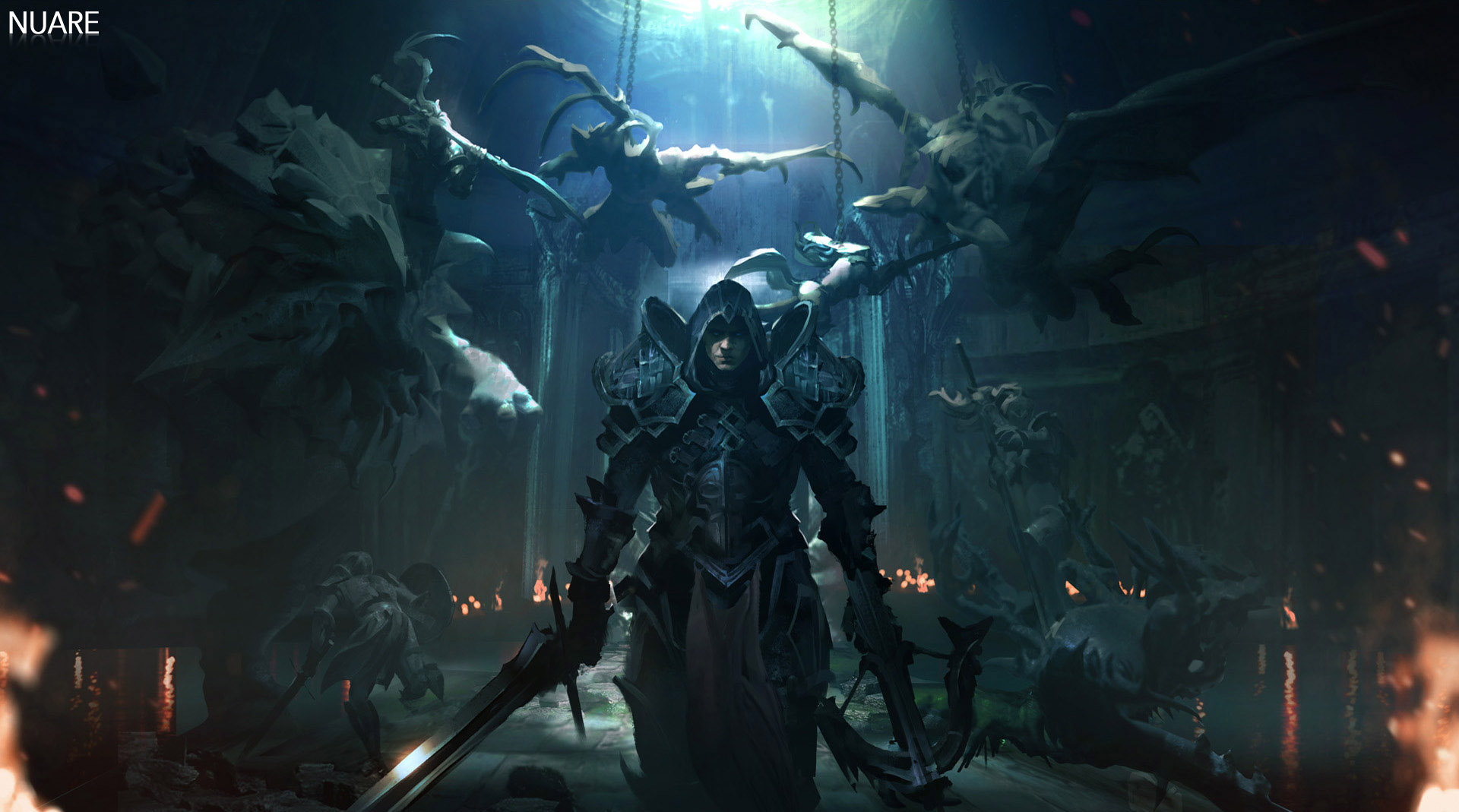
The first thing we look for in an outsourcing brief is not the asset list. It is the pictures.
A client can spend five pages describing something as dark, elegant, stylized, grounded, or cinematic, and every person reading it may imagine a different thing. One good visual reference can settle the question in seconds. A folder full of unrelated images can make it worse.
That is the strange part about a game art outsourcing brief. It does not need to be incredibly detailed, but it absolutely needs to be visual. The brief should let an external art team see the target, understand the limits, and know how much time there is to reach it. Everything else supports those three things.
The picture in your head is not in the brief
Most unclear briefs are not empty. They are crowded. There is a mood board, a world guide, a story document, a list of characters, a few screenshots from other projects, and maybe thirty pages of lore. It looks substantial. It can still leave the artists with no clear idea of what they are supposed to make.
Lore has a purpose. Game designers and narrative teams may need all of it. An outsourcing team trying to begin visual production quickly usually does not. We need the part that changes the work in front of us: the shapes, materials, proportions, colour, lighting, culture, quality bar, and technical reality of the asset.
People often assume the image in their own mind is obvious. It is not. A phrase like 'ancient ceremonial armour' can produce ten completely reasonable answers. Byzantine, Japanese, Mesoamerican, gothic, or something invented from scratch can all fit the same sentence. If one of those answers is already in your head, show it to us.
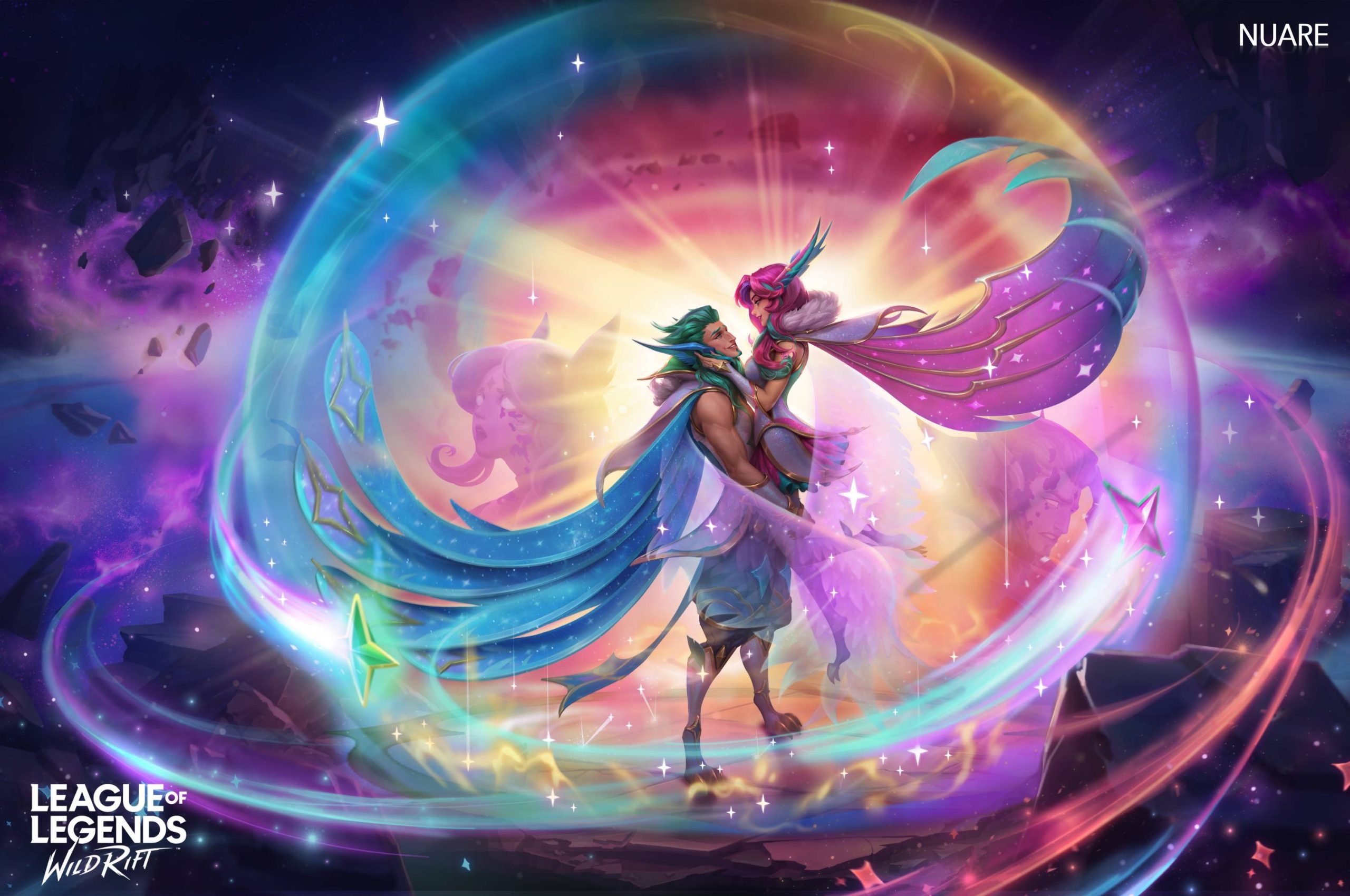
Visual references beat adjectives
Words such as premium, beautiful, realistic, painterly, and AAA feel useful because everyone recognizes them. They are not useful because everyone defines them differently.
A strong reference package shows the overall style and then gets more specific. It shows the silhouette language, surface treatment, colour relationships, lighting, level of finish, and cultural influences where those influences matter. It also makes clear which part of each reference is relevant. Maybe you like the lighting in one image, the proportions in another, and the material breakup in a third. Say that. We do not need an essay, but we do need the reason the image is there.
Cultural references deserve particular care. They are not decoration and they should not be a vague collection of costumes, buildings, and symbols from half a continent. If a culture, period, or region informs the work, name it precisely. Show which details matter. Explain what is being combined and what should remain distinct. That gives the artists something they can research and interpret instead of a collage they have to guess their way through.
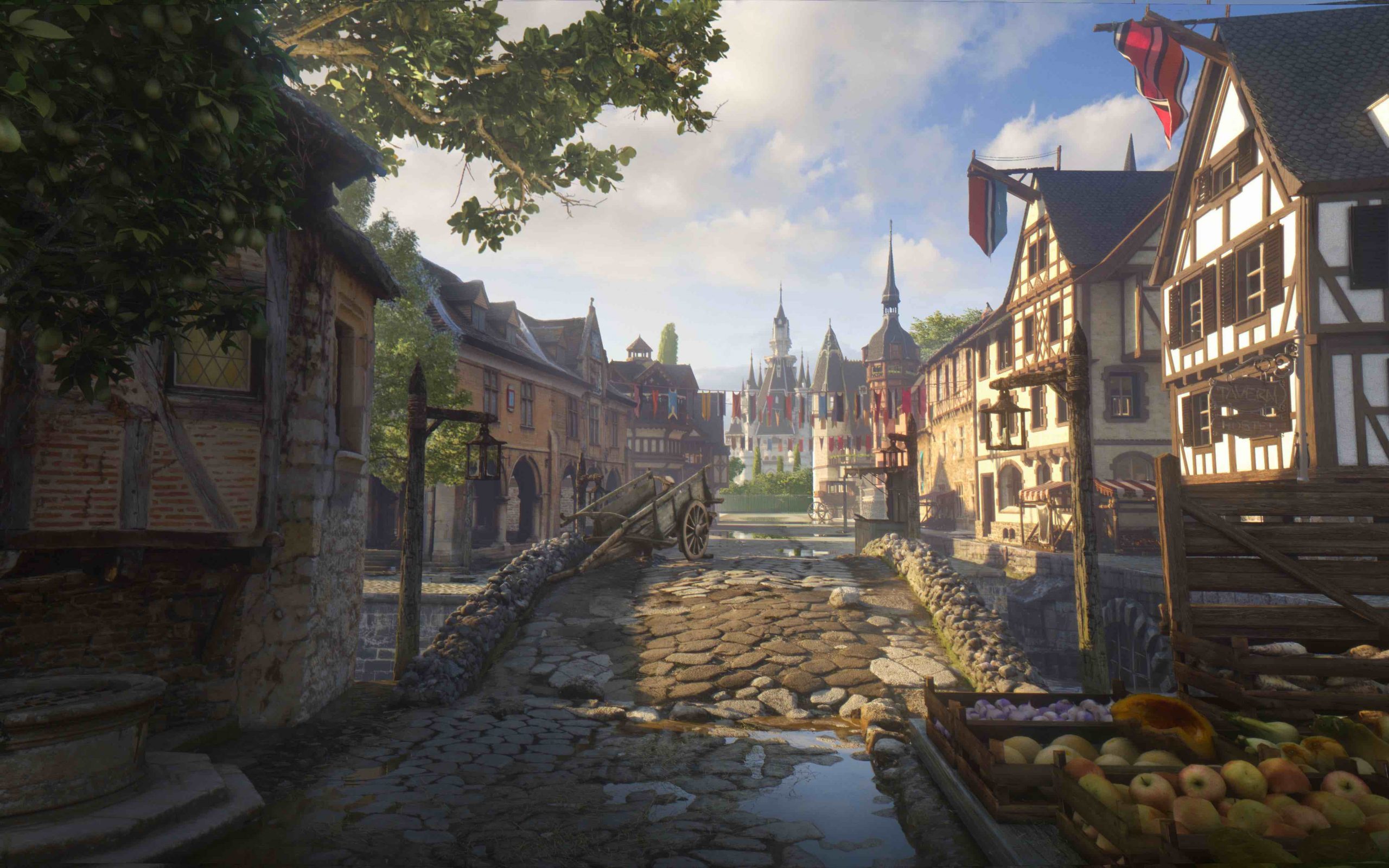
Show us what is wrong too
Negative references can be useful, but only when the difference is easy to read.
Putting two nearly identical fantasy characters side by side and saying one is right while the other is wrong does not clarify the direction. It starts a visual guessing game. A useful negative reference makes the contrast obvious: too realistic instead of graphic, too clean instead of weathered, too modern instead of historical, too ornate instead of functional.
Annotations help when they explain that contrast. They do not need to be drawn directly over every image. A sentence beside the reference is enough: 'Use this armour for its layered construction, not its colour,' or 'This lighting is too soft; we need harder separation between the character and the background.' The point is not to cover the image in arrows. The point is to tell us why we are looking at it.
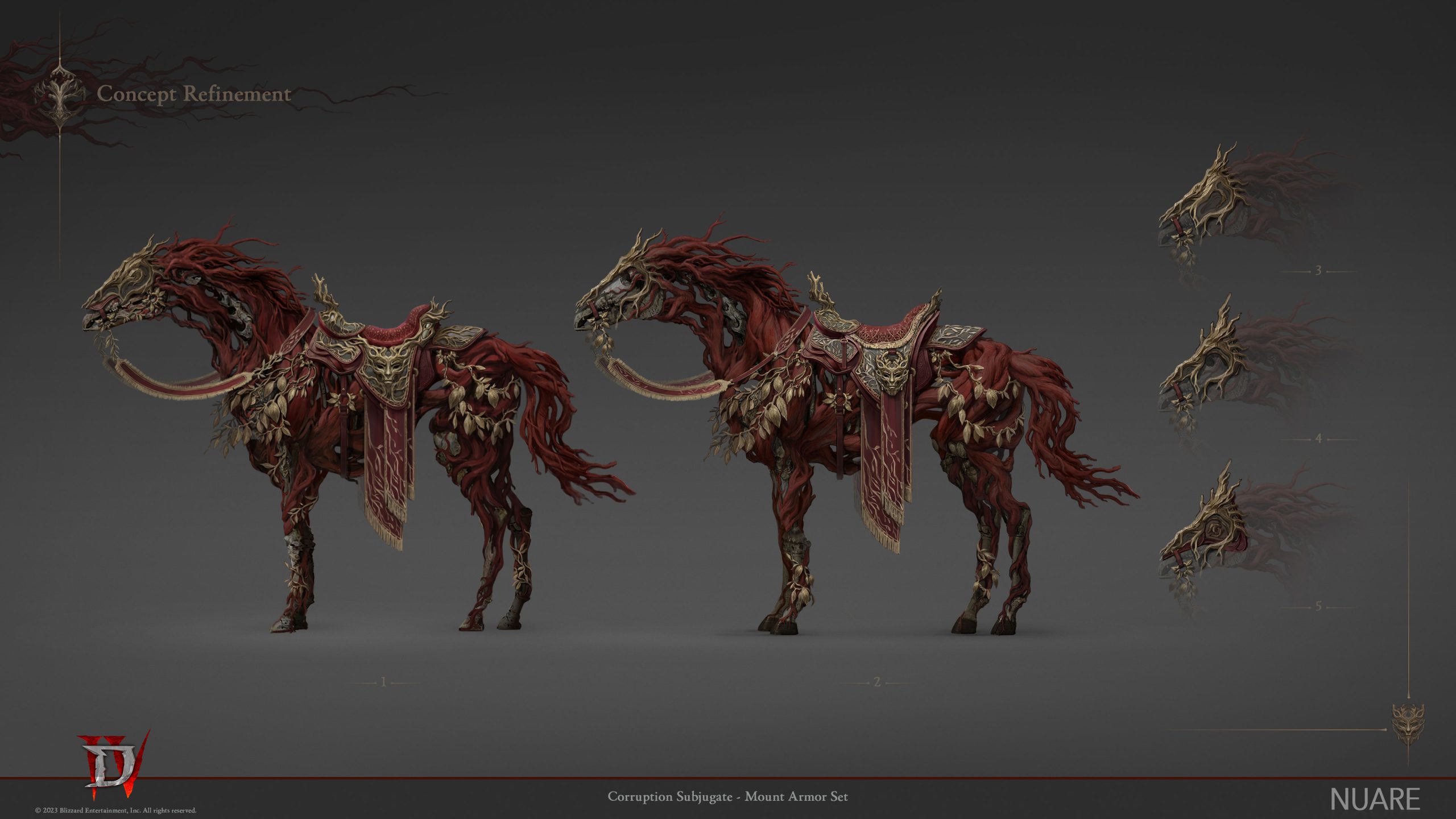
Every discipline needs a different brief
There is no universal art brief because the questions change with the work. A concept artist needs enough visual direction to explore. A 3D artist needs to know what the asset must become. A technical artist needs the actual limits of the build, not a promise that somebody will work them out later.
| Discipline | What the brief should show | What must be specified |
|---|---|---|
| Concept art | Style, culture, shape language, mood, colour, and clear positive references | The question being solved, required views, level of finish, and who approves the direction |
| 3D characters and props | Approved concept, material intent, scale, construction, and close references for important surfaces | Triangle budget, texture sets, texel density, LODs, UV rules, rig or socket needs, collision, naming, and delivery format |
| Environments and level art | World rules, architecture, modular language, landmarks, lighting, and player-facing visual priorities | Engine version, kit sizes, grid and pivot rules, streaming limits, collision, navigation, performance targets, and integration ownership |
| Animation and VFX | Motion references, timing, weight, readability, camera context, and the emotional result | Rig, skeleton, frame rate, clip structure, state or event hooks, simulation limits, platform, and engine implementation requirements |
| Technical art | The final visual target in the real build | Engine and tool versions, shaders, scripts, source control, frame and memory budgets, platform limits, profiling method, and who owns implementation |
| Promotional art | Composition, campaign tone, character priority, lighting, colour, and examples from the current brand | Final dimensions, crops, safe areas, localisation space, logo rules, revision stages, and delivery formats |
These are starting points, not a form to complete blindly. A stylized mobile prop and a hero weapon for a current-generation console do not need the same package. The useful question is always the same: what information changes how this particular team should make this particular thing?
A beautiful target still needs a real schedule
Clear visual direction is only half of the brief. The other half is time.
We sometimes see an impressive target paired with a schedule that could only work if the team skipped the exploration, the reviews, or the finish that made the target impressive in the first place. That is not an aggressive schedule. It is a different quality level wearing the original quality level's name.
Shortening the timeline can make a quote look smaller because there are fewer days on the page. It does not make the same work take less time. Usually it removes the room for iteration, pushes decisions later, and turns the final weeks into a choice between delay and visible compromise. Neither is cheaper once the rework starts.
A useful schedule connects the asset count, expected quality, team size, review speed, and technical requirements. It identifies what is already approved and what still needs discovery. If the style is not settled, put time aside to settle it. If the asset must land in the engine, include the time to test it there. If five people need to approve it, include the time that five people usually take.
Ask questions before the expensive part
When a brief is incomplete, we ask questions. A lot of them.
We ask for more references when the art direction is too broad. We ask which parts of a reference matter. We ask about tools, shaders, scripts, budgets, formats, engine versions, platforms, source control, milestones, and who has the final approval. If the work is technical, the brief has to be technical too.
That conversation is not friction. It prevents friction. An hour spent discovering that two people mean different things by 'stylized realism' is cheaper than a week of producing the wrong answer beautifully.
The client does not need to arrive with every production decision solved. We can help turn a broad need into a usable scope. What matters is being honest about what is decided, what is still open, and who can close the open questions. A brief that says 'we have not chosen the shader yet' is more useful than one that quietly pretends the shader does not matter.
Be exact about the target, relaxed about the route
A good brief is specific about the art style and the production result. It should be less controlling about every artistic decision on the way there.
If the team is only allowed to copy the reference, there is little reason to hire artists. The brief should establish the visual boundaries, cultural context, technical limits, and things that must remain recognizable. Inside those boundaries, the artists need room to solve problems and make the work better.
That balance is important. Too little direction makes the team guess. Too much prescription turns every small decision into an approval request. The useful middle is a target everyone can see and enough trust to let experienced people reach it.
What we want in the first package
Before we estimate or start production, this is the information we want to see:
- A short description of the actual production need
- Focused positive visual references and clearly different negative references
- Notes explaining why the important references work or do not work
- Cultural and historical references where they affect the design
- Asset count, variations, priorities, and expected quality level
- Engine, platform, software, shaders, scripts, and technical limits where relevant
- Required file formats, source files, naming, folder, and source-control rules
- Milestones, review stages, delivery date, and realistic time for feedback
- The person who can approve the visual direction
- A clear definition of what is included when the work is finished
That list can fit into a small document with a good reference board beside it. It does not need to become a book.
The verdict
The best outsourcing briefs are not the ones with the most pages. They are the ones that remove the most guessing.
Show the team what good looks like. Show what wrong looks like when the contrast is genuinely useful. Give them the real technical limits and a schedule that matches the quality you expect. Then answer questions before production starts and leave the artists enough room to do the job you hired them to do.
A good outsourcing brief does not need to be incredibly detailed. It absolutely needs to be visual.
If you are preparing a brief, read our guides to choosing a game outsourcing studio, outsourcing versus co-development, and integrating an external art team. If you want us to review the brief itself, send it to contact@nuarestudio.com.