

More artists should mean more art.
Often, it means more noise.
The first sign is not bad work. It is good work that belongs to a different project. The drawing is strong. The model is polished. The image is beautiful. And somehow, the product is disappearing.
That is the paradox of scaling art production. Adding people is easy. Protecting one clear idea while the team grows is hard.
We have done this across hundreds of assets. The lesson is simple: consistency is not created by a bigger style guide. It is created by focus. By leadership. By putting the right people on the right problem before volume begins.
Scale is not a headcount
When quality falls, people usually blame communication. Sometimes they are right. Most of the time, the real problem started earlier.
A senior team defines the pitch. Production begins. Then cost pressure arrives, and the team expands with people who have not been matched, calibrated, or supported for the work. This is not a failure of one artist. It is a failure of the system around them.
Weak art direction makes it worse. Weak technical leadership makes it expensive.
You can see it immediately. Leads redraw assets. Reviews become longer. Decisions that were closed suddenly open again. The team gets bigger, but the amount of finished work does not.
That is not scale. It is motion without progress.
Quality comes from focus. Quantity comes from freedom. If you want both, you have to decide exactly where each one belongs.
Start with your best people
Do not start with whoever is free. Start with whoever understands the problem best.
That means an art director who understands the world. A lead artist who can see the difference between almost right and right. Senior people who understand the style, the lore, and the technical requirements deeply enough to make decisions.
Then slice the work carefully.
A brilliant realistic character artist may be the wrong person for a graphic, shape-driven project. An artist with a beautiful personal style may be the wrong choice when that style keeps pulling the work away from the product. Talent matters. Fit matters more.
The best match is the person who makes the project look more like itself.
Those first people do more than make the first assets. They define the bar. They solve the hard questions. They create examples that teach the next group how to think. The team should grow outward from that core, one calibrated layer at a time.
Staffing
Fill seats
Find the right fit
First assets
Start volume immediately
Define the bar first
Review
Correct drift after it happens
Make the target visible before work expands
Growth
Add people until the plan looks possible
Grow only as fast as leadership can support
If you are still choosing the shape of the external team, read our guides to game art outsourcing and co-development and integrating an external art team. The structure matters because it decides who owns the result.
Fit beats instructions
A style guide matters. References matter. The brief matters.
But a document cannot turn every artist into the right artist for a project.
Some people have a powerful personal style. That is a gift on the right production. On the wrong production, it becomes a fight in every review. You can write more notes. You can add more rules. Or you can solve the real problem and choose people whose instincts already point in the right direction.
This is why staffing is part of art direction.
An art director is not simply approving images. They are deciding who should solve each problem. Where freedom will make the work better. Where consistency must be exact. And where one wrong choice will multiply across a hundred assets.
Art direction is the system
Some productions protect consistency with absolute precision. Every silhouette, material, value, and finish is reviewed against one clear target. It is difficult work. It can also produce extraordinary quality.
Other productions create a wider range and allow more freedom inside it. That can unlock speed, variety, and volume. It also makes the shared bar harder to protect.
Both approaches can work. Neither works by accident.
A strict target needs leaders who can explain the difference between almost right and right. A flexible target still needs boundaries everyone can see. The worst approach is to ask for exploration, then review the work as if there had only ever been one correct answer.
Clarity is the system.
For projects that need an experienced production stream, see our art production service and game art outsourcing service.
Draw the answer
The best feedback is short. And visual.
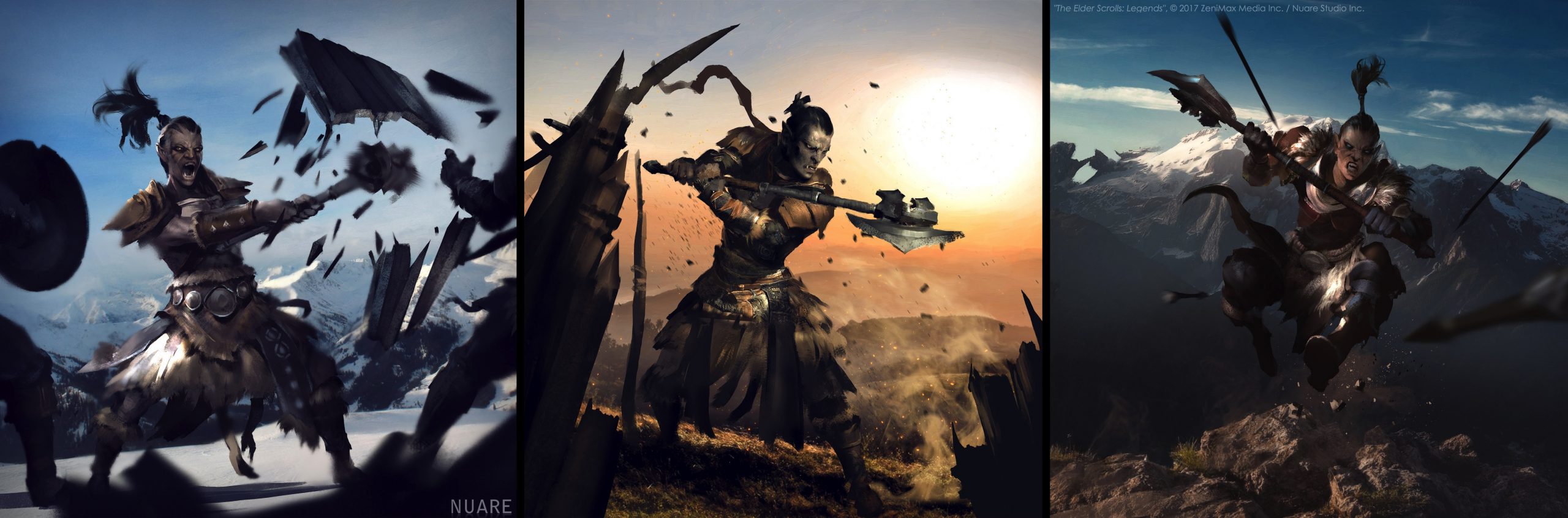
An overpaint can explain in five seconds what a paragraph cannot explain in five minutes. A doodle on a screenshot can show the missing weight. One line can fix a silhouette. One shape can restore the rhythm of a design.
The point is not to direct every pixel. The point is to make the difference visible.
Text should support the image. 'The silhouette feels weak' is an opinion. A draw-over showing where the weight, rhythm, or negative space has gone wrong is direction.
At scale, this is powerful. One clear correction can improve the next twenty assets, not only the one on the screen.
The style has to survive the engine
An asset is not finished when it looks beautiful in a review image. It is finished when it works in the product.
Shaders change it. Materials change it. Lighting changes it. Texture rules, LODs, memory limits, and engine settings all change how the work reads.
This is where art becomes technical art. Not through a sudden handoff, but through a gradual transition from intention to reality.
Nothing important should be guessed. The team should know which shader the asset will use. Which lighting conditions matter. How performance will be measured. Who owns the final in-engine result.
Our technical art team works in exactly that space. The space between the image everyone approved and the build people will actually experience.
A deadline is not a strategy
A schedule can be ambitious. It cannot be imaginary.
When the quality, volume, and deadline do not fit together, we say it at the beginning. When the scope grows later, we say it again.
There are only a few honest choices. Move the date. Reduce the scope. Sequence the delivery. Change the quality target.
Adding more people can look like another choice. Usually, it is not. Without the leadership to support them, more people create inconsistency and rework. They do not create time.
A useful game art outsourcing brief needs two things: a visible target and enough time to reach it. One without the other is not a plan.
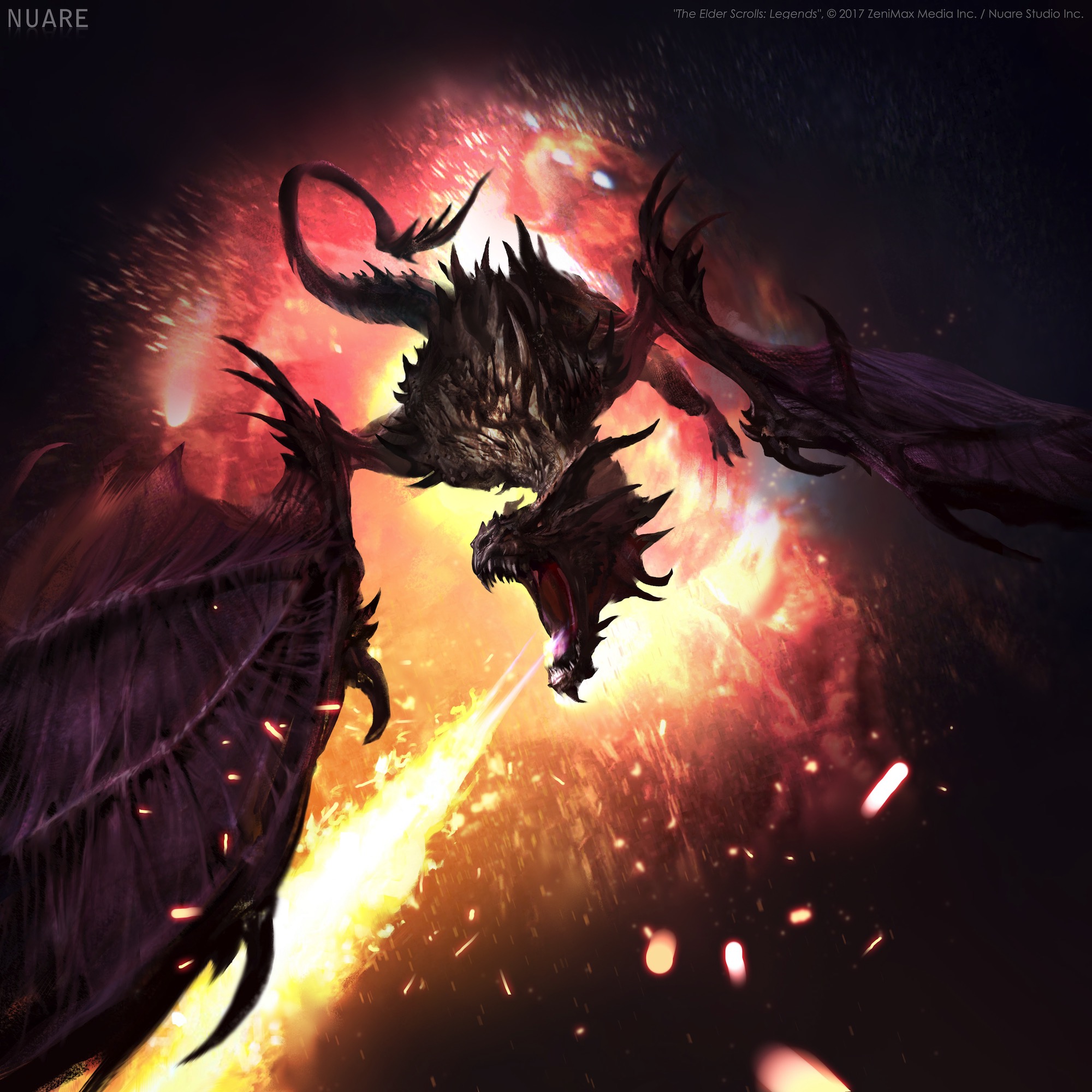
400 illustrations. One world.
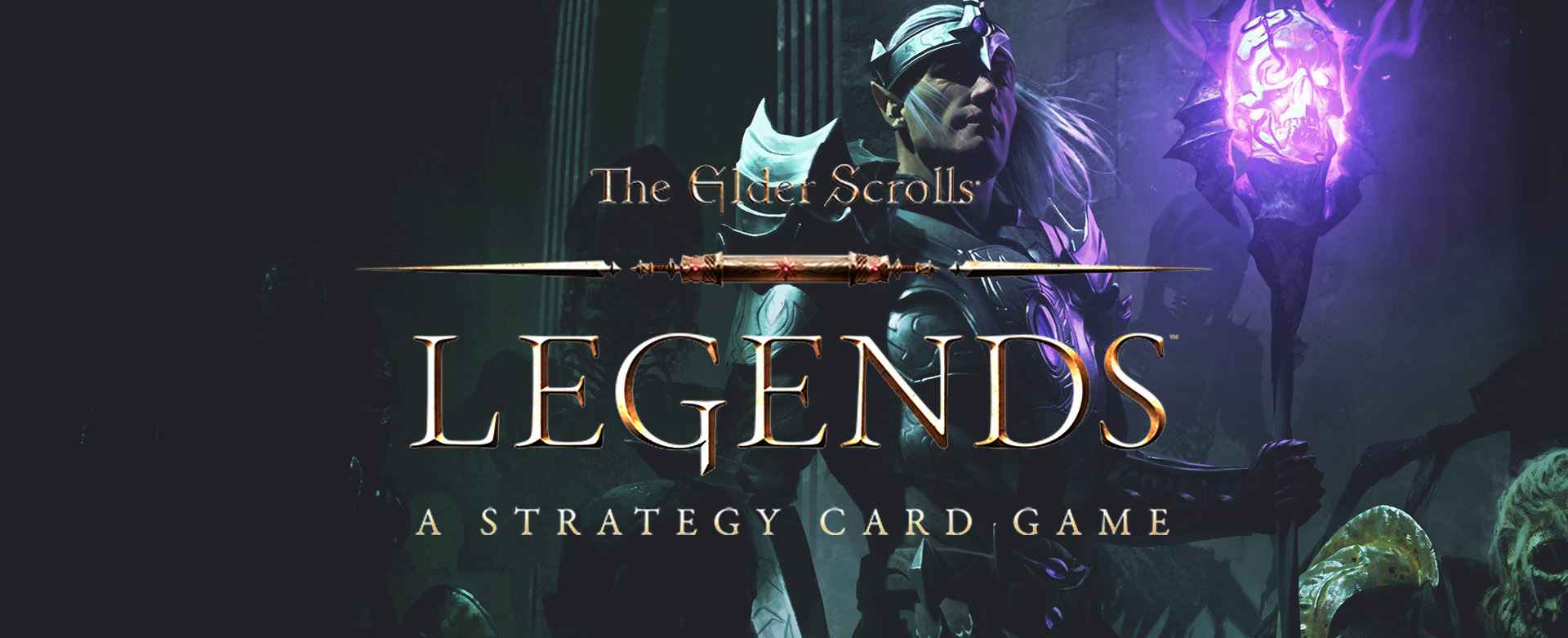
The Elder Scrolls: Legends is the clearest example.
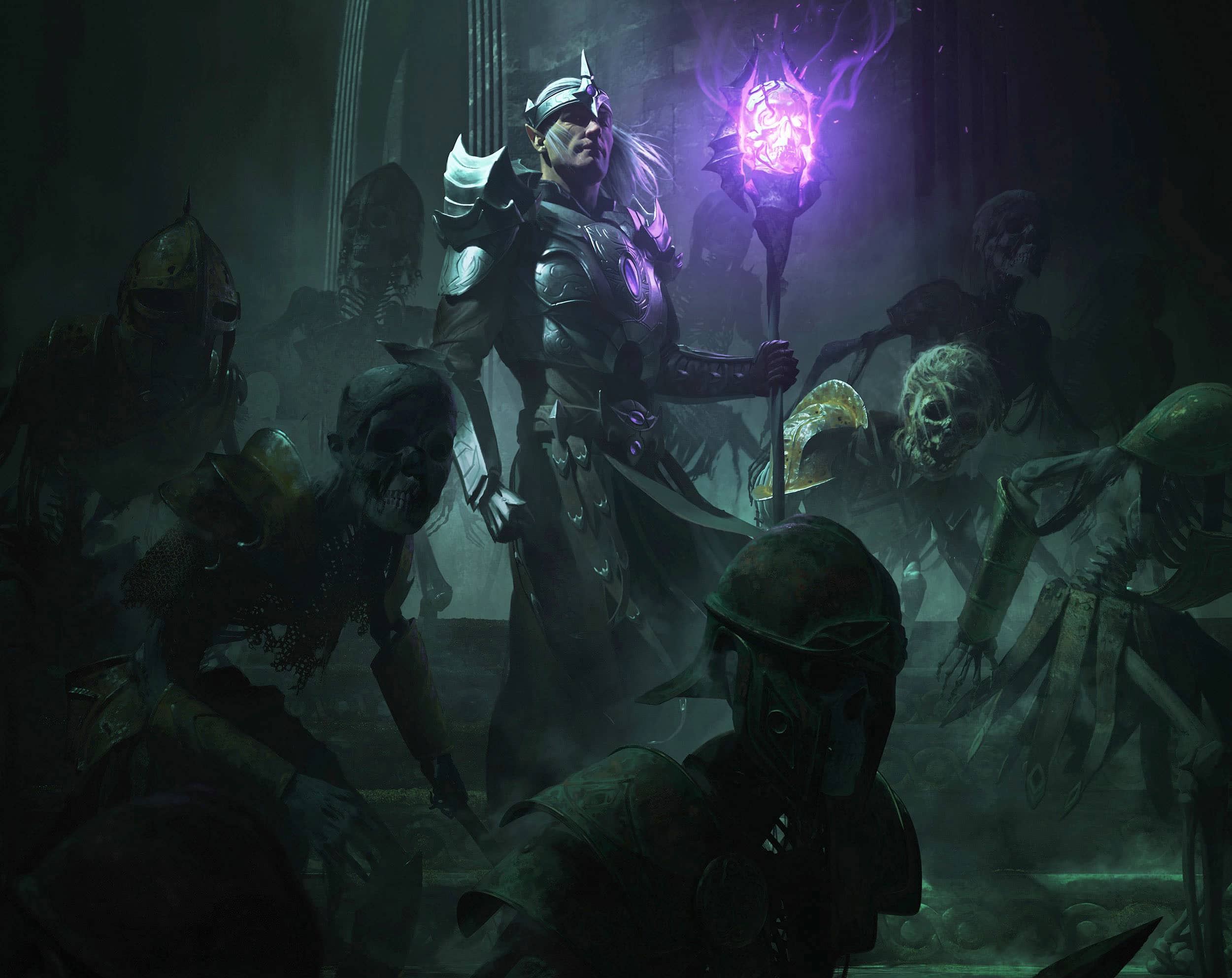
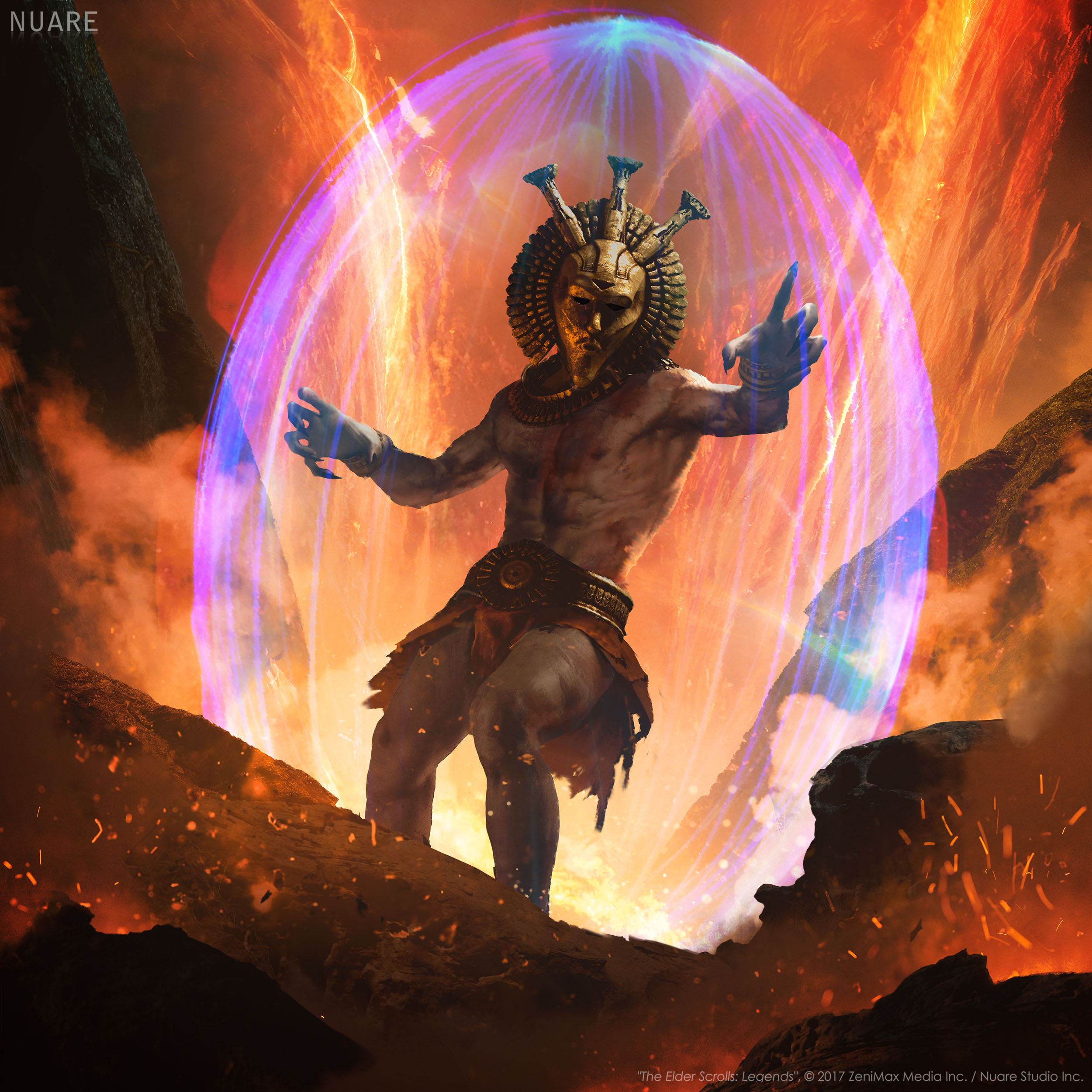
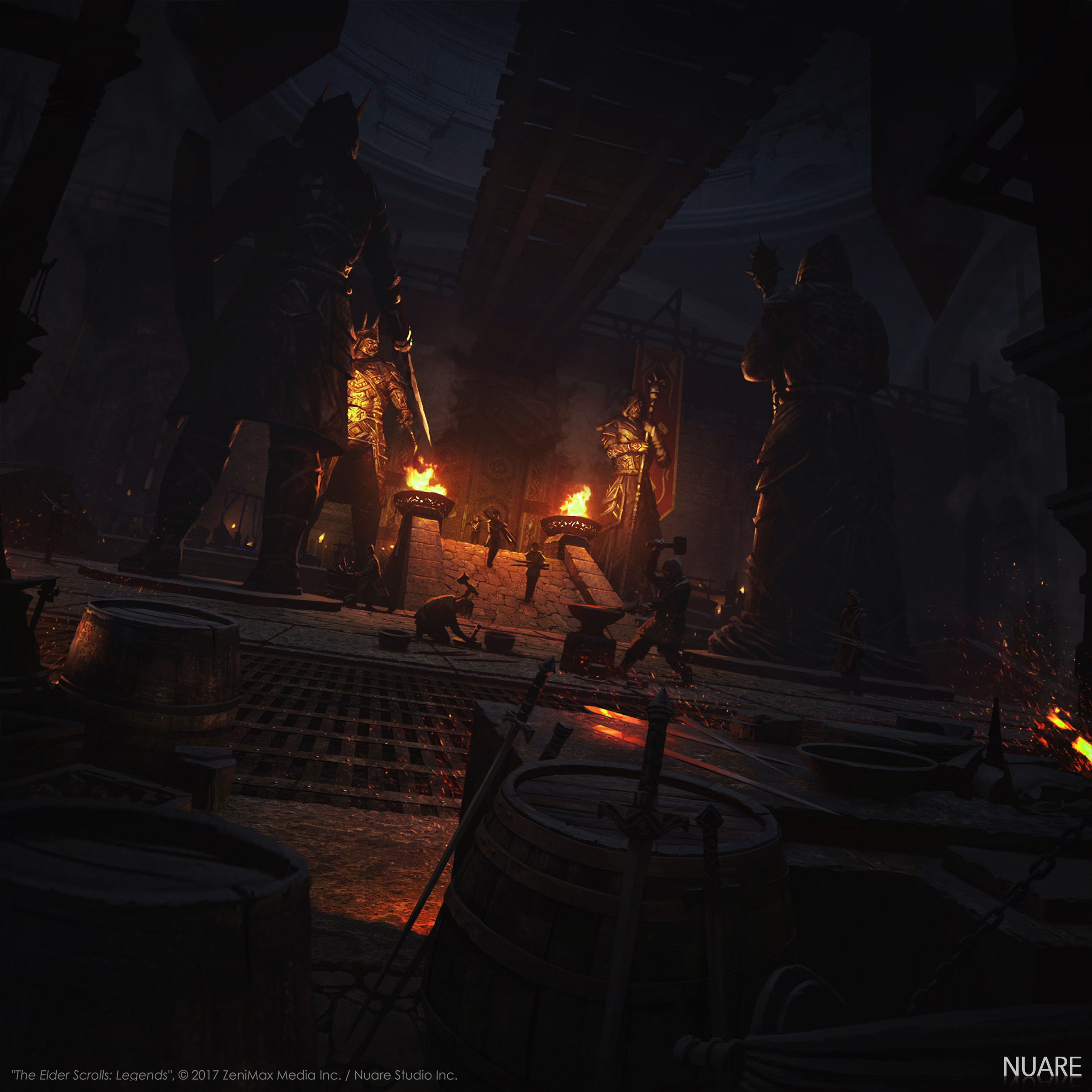
NUARE created more than 400 illustrations for the project and its expansions. Hundreds of characters. Hundreds of locations, moods, stories, and production decisions. One visual world.
The number is impressive. But the number is not the achievement.
The achievement is that the world stayed together.
Strong leads defined the target. Artists were matched to the work. Feedback stayed visual and direct. New groups learned from assets that had already passed the bar. The production became larger without becoming anonymous.
We are proud of this work because it shows what scale should do. It should expand the world without diluting it. It should modernize the visual language without losing the identity that made the product matter.
You can see more of that production in The Elder Scrolls: Legends Alliance War, Houses of Morrowind, and Heroes of Skyrim.
Drift starts small
The target changes between reviews. Two artists receive two different answers. A new reference appears, but nobody says which old decision it replaces. Every asset becomes an exception.
These things look small. They are not.
A product should evolve. A late change can be necessary. But a constant stream of unrelated changes means the project is trying to become several things at once.
Do not ask the team to work harder around an unclear decision. Make the decision. Record it. Then change the scope or the schedule if the decision changes the work.
Clarity is faster than correction.
Focus wins
Quality comes from focus. Quantity comes from freedom.
A production can have both. It simply cannot treat every part of the work the same way.
Be precise where identity depends on precision. Give freedom where variation makes the world richer. Put the best-matched leaders in place first. Let them define the bar. Grow only as fast as they can support. Make feedback visual enough that nobody has to guess.
The goal is not a larger team.
The goal is a larger team that still feels like one team, building one world, around one idea.
That is scale without compromise.
If you need to scale an art team while protecting an established visual direction, send the scope to contact@nuarestudio.com.