

Scaling Art Production Without Losing Visual Consistency
More artists do not protect the vision. The right leads, the right fit, and the right system do.
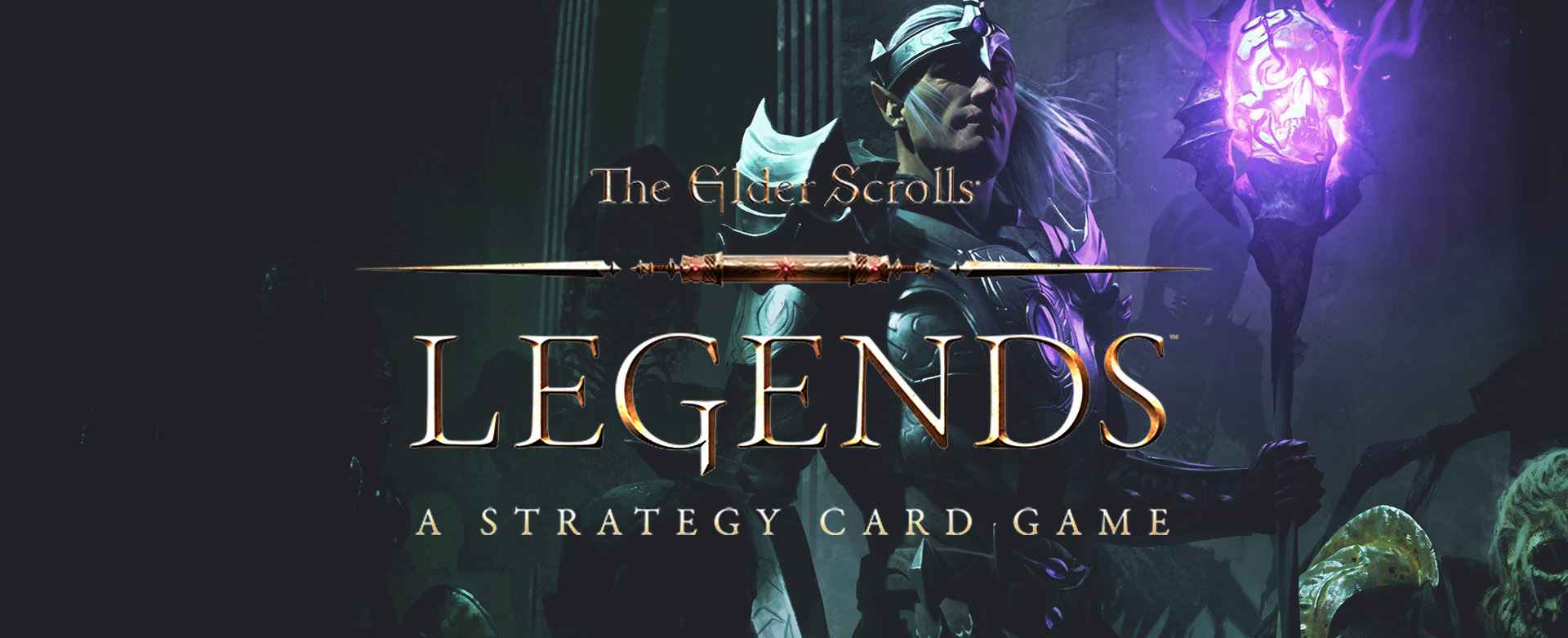
More artists should mean more art.
Blog · Articles
Practical thinking about outsourcing, co-development, art direction, production pipelines, and the decisions that protect quality.
More artists do not protect the vision. The right leads, the right fit, and the right system do.
More artists should mean more art.
A practical guide to showing an external art team what you need before production starts.
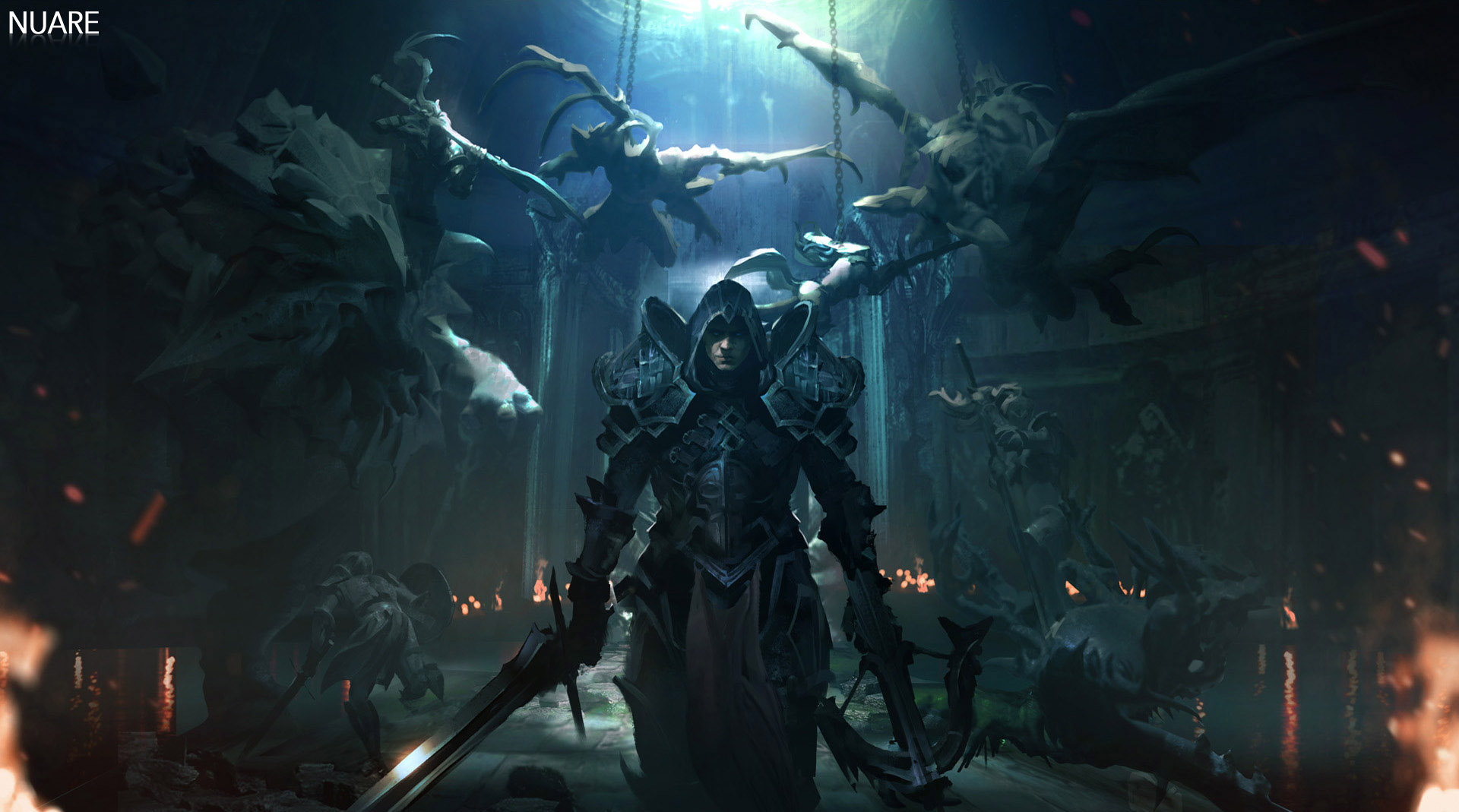
The first thing we look for in an outsourcing brief is not the asset list. It is the pictures.
How to add capacity without creating a disconnected parallel pipeline.
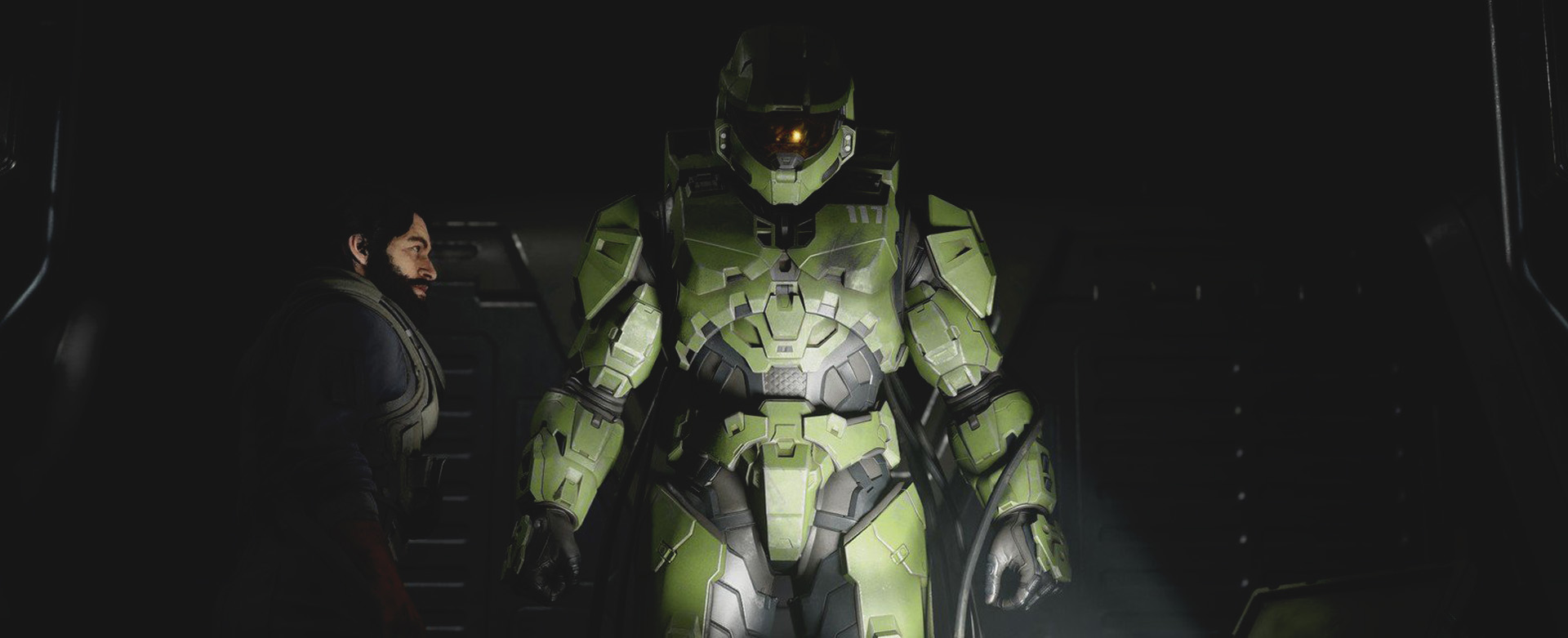
You already have a production pipeline. Then you add an external art team. Suddenly there are more people, more files, more feedback, and more chances for something to get lost.
A production guide to deciding whether you need approved assets, an embedded team, or a practical path between the two.
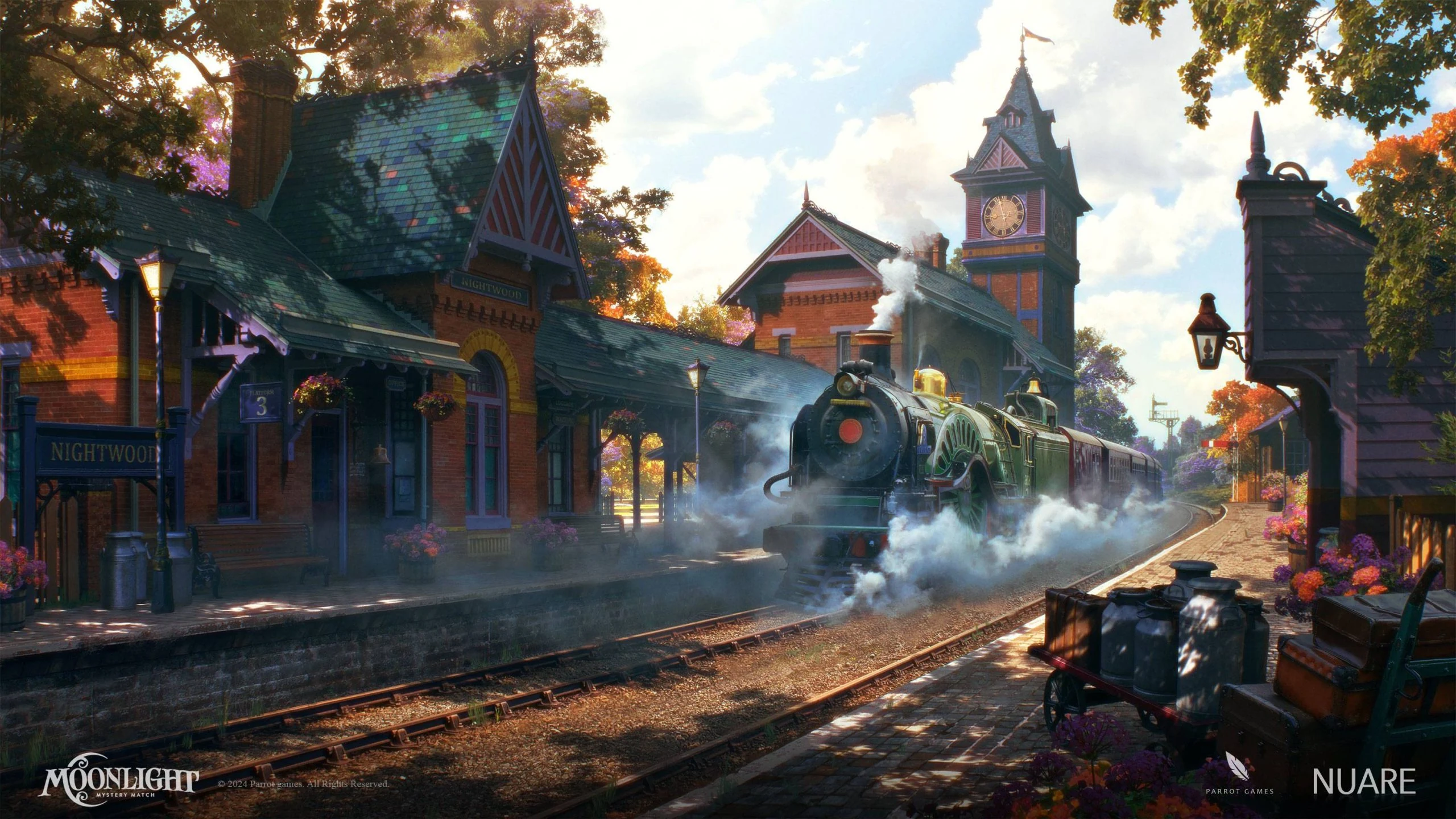
The search is usually a symptom. You have a production gap, a date that will not move, and a visual bar you cannot drop. The real question is narrower than most studio blogs make it. Do you need assets delivered into a pipeline you already run, or a team that shares ownership of the path those assets take into the build?
What to actually check when you add external production: quality, price, technology, and the difference between outsourcing a slice and hiring a production partner.
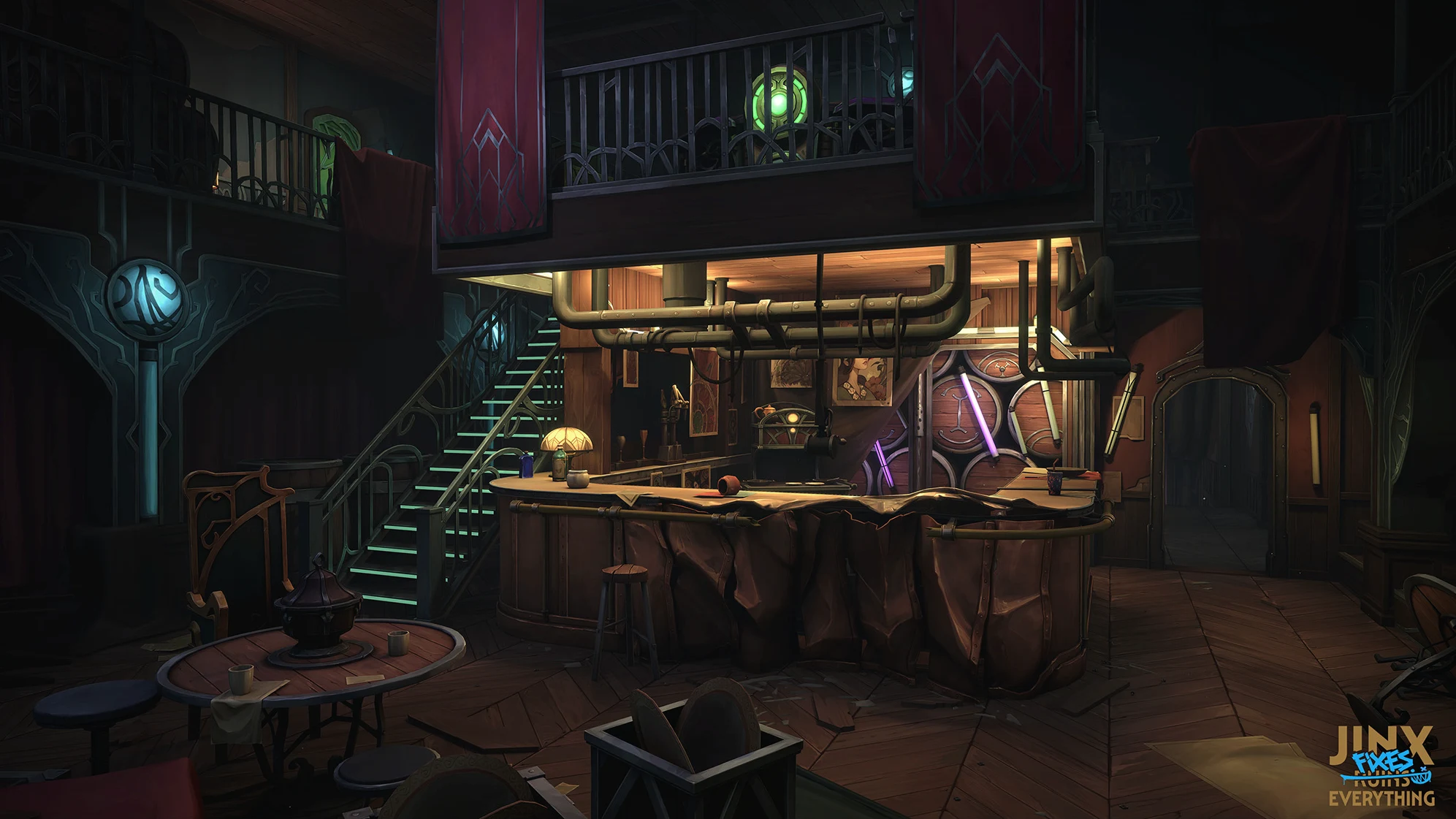
Nobody really buys game art. They buy a game that ships. The art is the part everyone can see, so it gets the credit, but the stuff that decides whether a project lands is almost never the art. It's the pipeline, the communication, the engineering, the discipline around the build. So the question you're actually asking when you go looking for external help isn't "who can make this look good." It's "who can deliver this production."